Immortal Jellyfish: Unraveling Biological Immortality
/ 7 min read
Table of Contents
Imagine a creature that, upon reaching old age, facing injury, or encountering harsh environmental conditions, simply decides to press a “reset” button on its life. It doesn’t die; instead, it reverts to an earlier, juvenile form, effectively starting its life anew. This isn’t a fantastical beast from a science fiction novel, but a very real, tiny inhabitant of our oceans known as Turritopsis dohrnii, often called the “immortal jellyfish.”
For centuries, the concept of immortality has captivated human imagination, confined largely to myths, legends, and philosophical debates. Yet, hidden beneath the waves, this small marine marvel offers a tangible glimpse into biological immortality, challenging our fundamental understanding of life, aging, and death. Its unique ability to continually rejuvenate itself has made it a focal point for scientists worldwide, eager to unlock the secrets of its perpetual youth. This blog post will delve into the fascinating biology of the immortal jellyfish, exploring the mechanisms behind its astonishing regenerative powers and the profound implications its existence holds for fields ranging from anti-aging research to regenerative medicine.
The Marvelous Turritopsis dohrnii: A Tiny Titan of Immortality
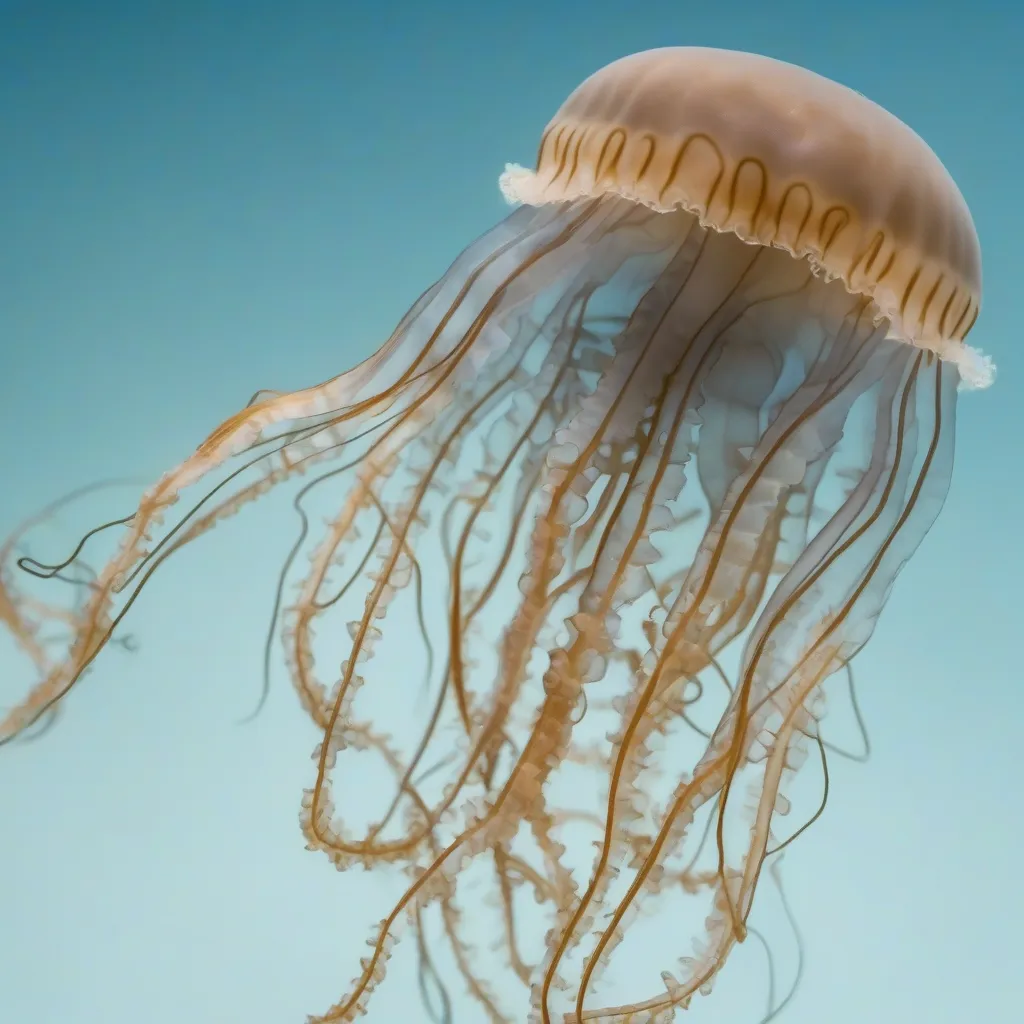
Turritopsis dohrnii is a bell-shaped hydrozoan, a class of cnidarians that includes other jellyfish, sea anemones, and corals. It’s remarkably small, typically measuring only about 4.5 millimeters (less than a fifth of an inch) in diameter when fully grown, with approximately 80-90 tentacles. Despite its diminutive stature, its biological capabilities are anything but small.
Native to the Mediterranean Sea, Turritopsis dohrnii has, like many other marine species, spread globally, likely hitching rides in the ballast water of ships. It can now be found in all of the world’s oceans, a testament to its resilience and adaptability – even if its individual immortality doesn’t guarantee the species’ omnipresence. Its transparency and size make it an elusive subject in the wild, but in laboratories, it becomes a living blueprint for biological marvels.
A Life Cycle Like No Other: Reversing the Clock
To truly appreciate the immortal jellyfish’s unique trick, it helps to understand the typical jellyfish life cycle. Most jellyfish follow a relatively straightforward path:
- Egg and Sperm: Adult medusae (the free-swimming jellyfish stage) release eggs and sperm into the water.
- Planula Larva: Fertilized eggs develop into tiny, free-swimming larvae called planulae.
- Polyp: The planula settles on a suitable surface (like a rock or seaweed) and develops into a sessile (stationary) polyp colony. These polyps feed and grow, often budding off new polyps.
- Ephyra: The polyps then undergo a process called strobilation, where they segment and release tiny, immature jellyfish called ephyrae.
- Medusa: These ephyrae mature into adult medusae, capable of sexual reproduction, and eventually die after completing their life cycle.
This is where Turritopsis dohrnii veers sharply from the norm. When faced with environmental stress – be it starvation, physical injury, disease, or simply the natural process of aging – instead of dying, the adult medusa can revert back to its juvenile polyp stage. Its bell shrinks, tentacles are reabsorbed, and its cells essentially dedifferentiate and then redifferentiate into the cells required to form a new polyp colony. This “transdifferentiation” allows it to bypass death and effectively restart its life, potentially indefinitely. Imagine an old butterfly turning back into a caterpillar, then pupating into a new, young butterfly again and again.
The Science of Rejuvenation: Unpacking Transdifferentiation
The key to Turritopsis dohrnii’s immortality lies in a cellular process called transdifferentiation. Unlike typical regeneration, where lost or damaged parts are regrown from existing stem cells, transdifferentiation involves a complete change in cell identity. In the immortal jellyfish, highly specialized adult cells (like muscle cells or nerve cells from the medusa stage) revert to a less specialized state, and then differentiate into different types of cells that form the polyp.
While the exact molecular mechanisms are still under intense investigation, scientists believe several factors contribute to this incredible feat:
- Cellular Plasticity: Turritopsis dohrnii possesses an extraordinary degree of cellular plasticity. Its cells appear to retain the ability to reprogram themselves. This is akin to induced pluripotent stem cells (iPSCs) in mammals, where adult cells are genetically reprogrammed to an embryonic stem cell-like state.
- Gene Expression Changes: Studies suggest that specific genes involved in cell differentiation, development, and stem cell maintenance are activated or deactivated during the reversion process. Researchers have identified a network of genes, including those involved in DNA repair and antioxidant pathways, that are upregulated during transdifferentiation, protecting the cells from damage and promoting rejuvenation.
- Telomere Maintenance: While not the primary mechanism, telomeres (protective caps on chromosomes) are often associated with cellular aging. While research is ongoing, the continuous renewal process in Turritopsis dohrnii likely involves robust mechanisms to maintain cellular integrity and prevent the accumulation of age-related damage.
- Environmental Triggers: The reversion process isn’t random. It’s triggered by adverse conditions, suggesting an evolved survival mechanism. If life gets tough, the jellyfish simply hits the reset button and waits for better times.
In essence, the immortal jellyfish has mastered the art of cellular alchemy, transforming its body from one life stage to another, defying the conventional biological clock.
Not Truly Invincible: The Limits of Immortality
Given its incredible ability, one might wonder why the oceans aren’t overflowing with these immortal creatures. It’s important to distinguish between biological immortality and ecological immortality. While Turritopsis dohrnii doesn’t die of old age, it is far from invincible.
These tiny jellyfish are still vulnerable to a myriad of external threats:
- Predation: They are a food source for larger marine animals.
- Disease: They can still succumb to pathogens.
- Environmental Damage: Pollution, extreme temperatures, and habitat destruction can still kill them.
- Injury: While they can revert from injury, catastrophic damage can still be fatal.
In controlled laboratory settings, a Turritopsis dohrnii medusa can revert to a polyp and grow back into a medusa repeatedly. Some individuals have been observed to undergo this transformation more than 10 times. However, in the vast, unforgiving ocean, the chances of an individual jellyfish living long enough to utilize its “immortality switch” dozens of times before being eaten or otherwise destroyed are slim. Their small size makes them particularly susceptible to predation and physical damage. So, while they cheat aging, they can’t cheat death from external factors.
Implications for Humanity: A Glimpse into the Future
The study of Turritopsis dohrnii offers tantalizing possibilities for human health and longevity research:
- Anti-Aging Research: Understanding how these jellyfish orchestrate cellular rejuvenation could provide unprecedented insights into reversing or slowing down the aging process in humans. If we can understand how they reprogram adult cells back to a juvenile state, it could revolutionize our approach to age-related diseases.
- Regenerative Medicine: The ability of Turritopsis dohrnii to completely transform its cell types has profound implications for regenerative medicine. Imagine being able to heal severe organ damage or regrow lost limbs by prompting a patient’s own cells to transdifferentiate and form new tissues.
- Cancer Research: Cancer is characterized by uncontrolled cell division and differentiation. Studying how the immortal jellyfish tightly controls its cellular reprogramming, even when reverting, could shed light on mechanisms to prevent or treat cancerous growth. Its cells undergo massive restructuring without turning cancerous.
- Evolutionary Biology: The existence of such a unique life cycle challenges our assumptions about evolution. How did such a complex and energetically demanding process evolve, and under what selective pressures?
While we are a long way from achieving human immortality or regenerative powers akin to the jellyfish, Turritopsis dohrnii serves as a living laboratory, pushing the boundaries of what we thought was biologically possible. Its remarkable existence reminds us that nature holds countless secrets, waiting to be unraveled, potentially transforming our understanding of life itself. The quest to decipher the complete genome and proteome of this tiny marvel continues, promising to unlock even more of its astonishing biological mysteries.