Next-Gen Batteries: Powering Our Sustainable Future
/ 7 min read
Table of Contents
The Spark of Progress: Why We Need Better Batteries
In our increasingly electrified world, batteries are no longer just for remote controls. They power our smartphones, laptops, and increasingly, our cars and homes. They are the silent workhorses enabling a transition away from fossil fuels. But as demand skyrockets, the limitations of current battery technology, primarily lithium-ion, are becoming clear. We need batteries that are more powerful, safer, cheaper, and more sustainable to truly unlock a green future.
Imagine electric vehicles that charge in minutes and travel a thousand miles on a single charge. Picture entire cities powered reliably by renewable energy, even when the sun isn’t shining or the wind isn’t blowing. This isn’t science fiction; it’s the promise of next-generation batteries, and they are rapidly moving from research labs to real-world applications.
The Current Hurdles: Why Lithium-Ion Isn’t Enough (for Everything)
Lithium-ion batteries have been a game-changer, but they come with their own set of challenges:
- Energy Density: While impressive, current lithium-ion still limits the range of electric vehicles and the usage time of portable devices.
- Charging Speed: “Range anxiety” is often coupled with “charge anxiety” – how long will it take to top up?
- Resource Scarcity: Lithium, cobalt, and nickel are not uniformly distributed and their extraction can have significant environmental and ethical implications. Global demand for lithium is projected to increase by over 500% by 2050.
- Environmental Impact: Mining processes are resource-intensive, and proper recycling infrastructure is still developing.
- Safety: While rare, thermal runaway (fires) in lithium-ion batteries remains a concern, particularly in high-energy applications.
- Cost: The cost of lithium-ion batteries has fallen dramatically, but it still represents a significant portion of an EV’s price tag.
These limitations underscore the urgent need for innovation. The good news? Scientists and engineers worldwide are on the cusp of breakthroughs that could redefine energy storage.
The Next Frontier: Promising Battery Technologies
The race to develop superior batteries is intense, with several exciting contenders emerging. These technologies aim to tackle the issues of energy density, safety, cost, and sustainability head-on.
Solid-State Batteries: A Leap Towards Safety and Performance
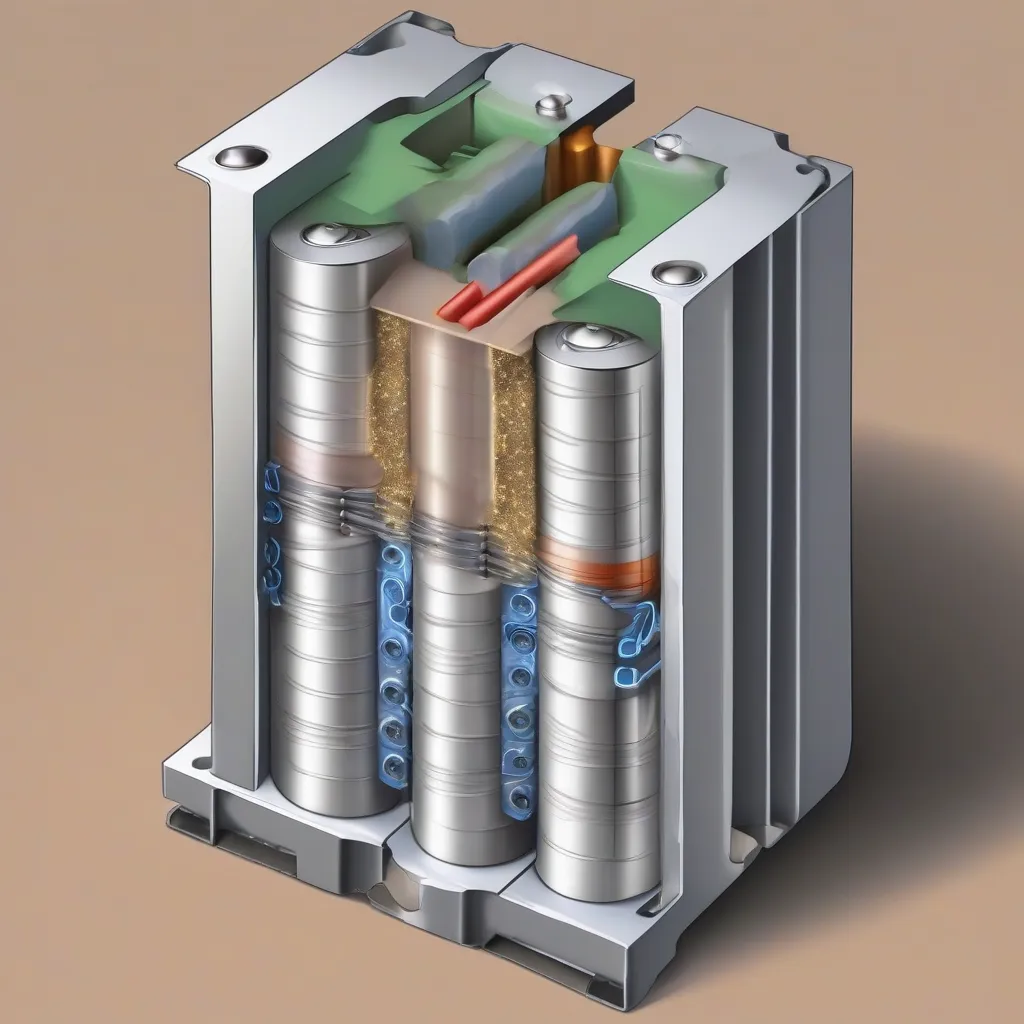
Perhaps the most talked-about “next-gen” technology, solid-state batteries replace the liquid or gel electrolyte found in traditional lithium-ion batteries with a solid material. This seemingly simple change offers a cascade of benefits:
- Higher Energy Density: Without a liquid electrolyte, it’s possible to use lithium metal anodes, which store significantly more energy. This could translate to EVs with ranges exceeding 600 miles or smartphones lasting days on a single charge.
- Enhanced Safety: Eliminating flammable liquid electrolytes drastically reduces the risk of thermal runaway and fires.
- Faster Charging: Solid electrolytes can potentially enable much faster charging rates, with some prototypes demonstrating 80% charge in under 10 minutes.
- Longer Lifespan: Solid-state batteries are expected to be more robust, leading to longer cycle lives and less degradation over time.
While still facing manufacturing challenges related to cost and scalability, major players like Toyota, Samsung, and QuantumScape are pouring resources into commercializing solid-state technology, with some expecting market entry within the next few years.
Sodium-Ion Batteries: The Abundant Alternative
Lithium gets all the glory, but its cousin, sodium, is far more abundant and cheaper. Sodium-ion batteries work on a similar principle to lithium-ion but use sodium as the charge carrier.
- Abundance and Cost: Sodium is ubiquitous, making these batteries significantly cheaper and less dependent on geopolitical supply chains. This makes them ideal for large-scale applications.
- Safety: Sodium-ion batteries are generally safer, less prone to thermal runaway, and can often be completely discharged without damage, simplifying transport and recycling.
- Performance: While currently offering lower energy density than top-tier lithium-ion, their performance in extreme cold can be superior.
Sodium-ion batteries are seen as a strong candidate for grid-scale energy storage, where cost and longevity are paramount, as well as for lower-range electric vehicles and two-wheelers. CATL, a major battery manufacturer, has already begun production of sodium-ion cells.
Lithium-Sulfur Batteries: The Promise of Super-High Density
Lithium-sulfur (Li-S) batteries hold the theoretical crown for energy density, potentially offering up to five times that of current lithium-ion. This is because sulfur is a lightweight and inexpensive material.
- Extreme Energy Density: Ideal for applications where weight is critical, such as drones, aviation, and potentially future long-range EVs.
- Cost-Effective Materials: Sulfur is abundant and significantly cheaper than cobalt or nickel.
The challenge lies in their relatively short cycle life and degradation issues, often referred to as the “polysulfide shuttle effect.” However, ongoing research is making significant strides in overcoming these hurdles, bringing them closer to commercial viability.
Flow Batteries: The Grid’s Heavy Lifter
Unlike traditional batteries that store energy within solid electrodes, flow batteries store energy in liquid electrolyte solutions in external tanks. These liquids are pumped through a cell where electrochemical reactions occur, generating electricity.
- Scalability: Power and energy are decoupled; increasing storage capacity simply means larger tanks. This makes them perfectly suited for massive grid-scale energy storage.
- Long Lifespan & Durability: Flow batteries can operate for tens of thousands of cycles without significant degradation, lasting decades.
- Safety: The electrolytes are often non-flammable, making them inherently safer for large installations.
- Resource Flexibility: Various chemistries exist, including vanadium, zinc-bromine, and iron-based systems, offering options based on material availability.
While their energy density is lower, their scalability, longevity, and safety make them indispensable for stabilizing renewable energy grids, allowing us to store excess solar and wind power for use during peak demand or when renewable sources are inactive.
Powering a Sustainable Future: The Impact of Next-Gen Batteries
The emergence of these advanced battery technologies isn’t just an incremental improvement; it’s a foundational shift that will profoundly impact our ability to build a sustainable future.
- Accelerating Electric Vehicle Adoption: Higher energy density means longer ranges, faster charging eliminates range anxiety, and lower costs make EVs accessible to more people. This is crucial for decarbonizing transportation, which accounts for approximately 25% of global CO2 emissions.
- Unlocking Renewable Energy Potential: Next-gen batteries, especially flow batteries and improved lithium-ion variants, will enable grids to store massive amounts of intermittent solar and wind energy. This ensures a stable and reliable power supply, significantly reducing reliance on fossil fuel power plants.
- Empowering Developing Nations: Cheaper, more sustainable battery storage can facilitate the deployment of off-grid renewable energy systems in remote areas, providing electricity access to communities that currently lack it.
- Revolutionizing Consumer Electronics: Imagine smartphones that last a week on a single charge, laptops that power through multiple workdays, and wearables that never need recharging. This enhances user experience and reduces electronic waste by extending device lifespans.
- Reducing Environmental Footprint: By reducing reliance on scarce materials, simplifying recycling processes, and minimizing safety risks, next-gen batteries promise a cleaner, greener energy ecosystem from production to disposal.
The Road Ahead: Overcoming Challenges
While the future looks bright, bringing these technologies to mass market requires overcoming several hurdles:
- Cost Reduction: Developing efficient, large-scale manufacturing processes for new chemistries is crucial to bring costs down.
- Infrastructure Development: Building out charging networks for ultra-fast charging and robust recycling facilities for diverse battery types will be essential.
- Continued Research & Development: Many of these technologies are still maturing, and ongoing innovation is needed to optimize performance and overcome remaining technical challenges.
The journey to a fully sustainable, battery-powered future is complex, but the pace of innovation is accelerating. Next-gen batteries are not just about powering devices; they are about empowering humanity to overcome climate change, build resilient energy systems, and create a cleaner, more equitable world for generations to come. The quiet revolution is already underway, and its impact will be anything but silent.