The Philosophy of Aesthetics: What is Beauty?
/ 7 min read
Table of Contents
From the intricate patterns of a snowflake to the sweeping grandeur of a mountain range, from the poignant melody of a symphony to the profound insight of a poem, humanity has always been captivated by beauty. We seek it, create it, and debate it. But what exactly is beauty? Is it an inherent quality of an object, a feeling within the beholder, or something else entirely? This age-old question lies at the heart of aesthetics, the branch of philosophy dedicated to the study of art, taste, and the nature of beauty.
Beauty Through the Ages: A Philosophical Journey
The pursuit of understanding beauty has captivated thinkers for millennia, with each era offering its own unique lens.
The Ancient Greeks: For philosophers like Plato and Aristotle, beauty was often seen as something objective, intrinsically linked to truth, harmony, and proportion. Plato, in his theory of Forms, posited that ultimate Beauty exists as an ideal, perfect Form, and that earthly beautiful objects are merely imperfect reflections of this divine essence. For him, true beauty transcended the senses, residing in the realm of the intellect and the good. Aristotle, more grounded, found beauty in order, symmetry, and definiteness—qualities that could be observed and measured in the natural world and in art. The famous Golden Ratio (approximately 1.618), a mathematical proportion found in nature, architecture, and art, often resonates with our sense of visual harmony, perhaps owing to these ancient principles.
The Medieval Period: As Christianity spread, the concept of beauty became intertwined with the divine. Thinkers like St. Augustine and Thomas Aquinas viewed beauty as a reflection of God’s perfect creation. Beauty was a path to understanding the divine, a sensory experience that could elevate the soul towards spiritual truth. Order, unity, and radiance were considered key attributes of God’s beauty, manifested in the world.
The Enlightenment and Beyond: The Age of Enlightenment brought a significant shift, moving the focus from objective, universal truth to the subjective experience of the individual.
- David Hume, the Scottish philosopher, famously argued that “Beauty is no quality in things themselves; it exists merely in the mind which contemplates them.” For Hume, our aesthetic judgments are rooted in sentiment and feeling, varying from person to person and culture to culture.
- Immanuel Kant, while acknowledging the subjective nature of aesthetic experience, sought a middle ground. He proposed the concept of “disinterested pleasure” – a pleasure we derive from beauty that isn’t tied to personal desire or utility. When we judge something as beautiful, Kant argued, we are making a subjective claim that we expect others to agree with, implying a “universal subjective judgment” that is neither purely objective nor purely individual caprice.
Is Beauty Objective or Subjective? The Enduring Debate
This question remains at the core of aesthetic philosophy, fueling countless discussions and artistic expressions.
The Case for Subjectivity: Many argue that beauty is entirely “in the eye of the beholder.” Consider:
- Cultural Variation: What is considered beautiful varies wildly across cultures and time periods. Body ideals, artistic styles, and even natural landscapes can evoke different responses depending on one’s cultural background. A tribal mask might be seen as profoundly beautiful in one culture, and perhaps unsettling in another.
- Personal Preference: We all have unique tastes. One person might find abstract art deeply moving, while another prefers classical realism. Our individual experiences, memories, and emotions heavily color our perception of beauty.
- Emotional Response: Beauty often triggers an emotional reaction – joy, awe, tranquility, or even melancholy. Since emotions are inherently personal, it follows that the beauty provoking them might also be subjective.
The Case for Objectivity: Despite the strong arguments for subjectivity, some universal commonalities suggest there might be objective elements to beauty:
- Cross-Cultural Agreement: Certain natural phenomena, like sunsets, starry nights, or lush natural landscapes, are widely considered beautiful across diverse cultures.
- Evolutionary Psychology: Research suggests that humans tend to find symmetry and clear skin attractive, as these can be unconscious indicators of health and good genes, important for survival and reproduction. For instance, studies consistently show a general preference for symmetrical faces across various populations, indicating a biological underpinning to certain aesthetic preferences.
- Universal Principles: The ancient Greek ideals of harmony, balance, and proportion still resonate. Whether it’s the structure of a classical symphony, the composition of a well-designed building, or the layout of a striking photograph, these principles often contribute to a sense of beauty that feels inherently “right.”
Many contemporary thinkers lean towards an “interactionist” view: beauty isn’t solely in the object or solely in the beholder, but emerges from the dynamic interaction between an object’s inherent qualities and the observer’s mind, culture, and individual experiences.
The Psychology of Beauty: Why Do We Respond?
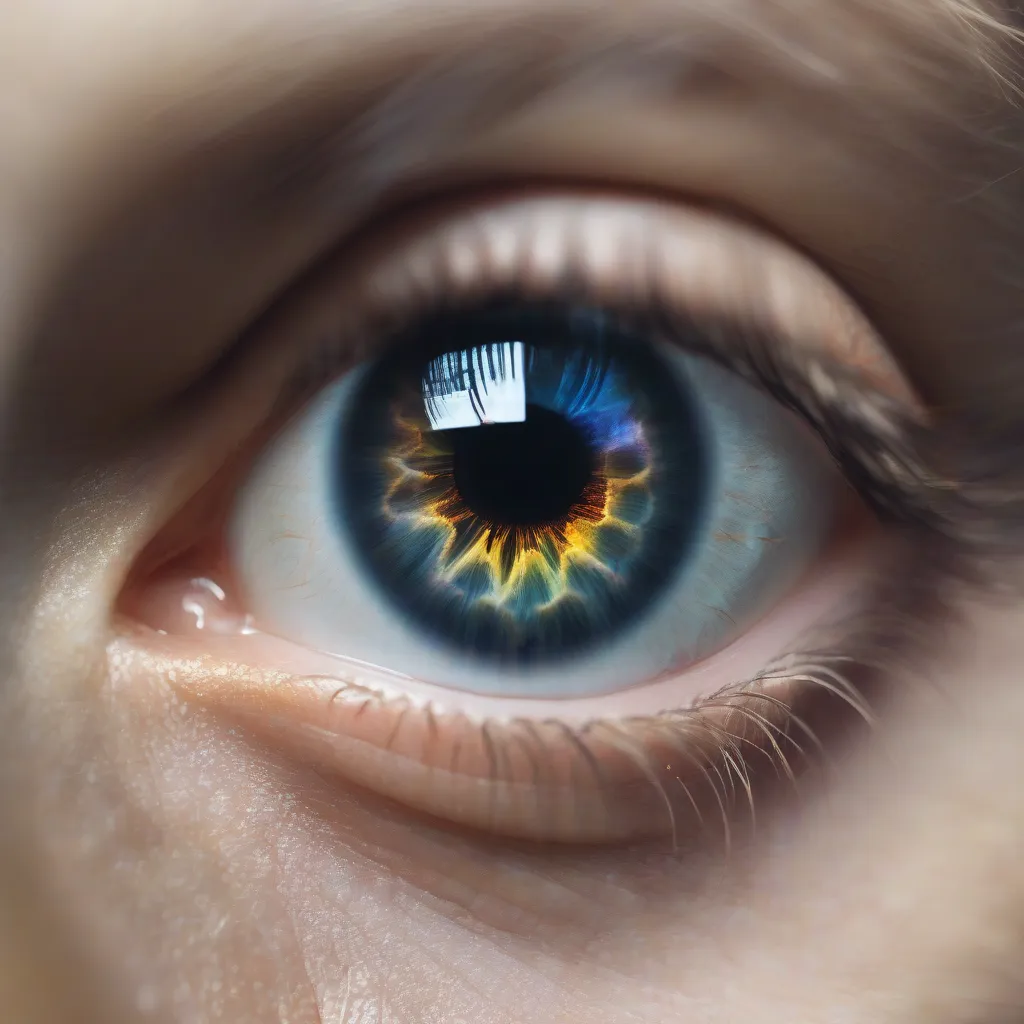 Beyond the philosophical debate, psychology offers insights into why we find things beautiful and how our brains process these experiences.
Evolutionary Roots: Our attraction to certain features can be traced back to evolutionary advantages. Symmetrical faces, healthy complexions, and certain body proportions can signal fitness and fertility, leading to a subconscious aesthetic preference. Similarly, finding beauty in fertile landscapes (water, greenery) might stem from an innate drive for survival.
Cognitive Processing: Our brains are wired to find patterns, novelty, and complexity. Objects that offer a satisfying balance of familiarity and surprise, or that present information in an organized yet stimulating way, often register as beautiful. The “aha!” moment of understanding a complex piece of art can itself be a form of aesthetic pleasure.
Emotional and Neurological Rewards: Experiencing beauty often elicits positive emotions – awe, wonder, peace, joy. Neuroscientific studies show that viewing beautiful art or listening to beautiful music can activate reward centers in the brain, releasing dopamine, a neurotransmitter associated with pleasure and motivation. This suggests a biological basis for our enjoyment of beauty, reinforcing our desire to seek it out.
Cultural Conditioning: From a young age, we are exposed to cultural norms and media representations of beauty. These influences shape our aesthetic preferences, telling us what is considered attractive, desirable, or artistic. This constant exposure can significantly mold our individual and collective sense of beauty.
The Impact of Beauty: More Than Just Skin Deep
The presence of beauty in our lives extends far beyond mere visual or auditory pleasure. Its impact is profound and multifaceted.
Inspiration for Creativity: Beauty is the muse for artists, writers, musicians, and designers. It fuels the creative impulse, leading to the creation of new forms of beauty that, in turn, inspire others. Art galleries, concert halls, and literary works are testaments to humanity’s endless quest to capture, interpret, and express beauty.
Enhanced Well-being: Studies have shown that exposure to natural beauty can reduce stress, improve mood, and even accelerate healing. Spending time in nature, viewing beautiful art, or listening to uplifting music can foster a sense of calm, joy, and connection, significantly contributing to mental and emotional well-being. Even living in aesthetically pleasing environments can increase life satisfaction.
Social Dynamics: Unfortunately, beauty also plays a role in social interactions. The “halo effect” suggests that physically attractive individuals are often perceived as more intelligent, trustworthy, and competent, despite no evidence to support such claims. This highlights the complex, sometimes unfair, social power of beauty.
Ethics and Morality: Beyond the physical and artistic, we speak of “beautiful actions” or a “beautiful soul.” This extends the concept of beauty into the realm of morality and ethics, suggesting that qualities like kindness, compassion, courage, and integrity possess a form of inner beauty that resonates deeply with us.
The question “What is beauty?” remains as elusive as it is compelling. It is a concept woven into the fabric of human existence – a universal pursuit that manifests in countless forms. Perhaps the beauty of the question itself lies in its very unanswerability, continually inviting us to look closer, feel deeper, and appreciate the endless kaleidoscope of aesthetic experience that enriches our lives.