The Quiet Guardians: Role of Seed Banks in Conservation
/ 6 min read
Table of Contents
Imagine a library, not of books, but of life itself. A vast collection, meticulously cataloged and stored, holding the potential for future generations to thrive. This isn’t a sci-fi fantasy; it’s the very real and profoundly important work of seed banks around the world. These “quiet guardians” are working tirelessly, often out of the public eye, to secure the future of our planet’s plant diversity – a future that is intrinsically linked to our own.
What Exactly Are Seed Banks?
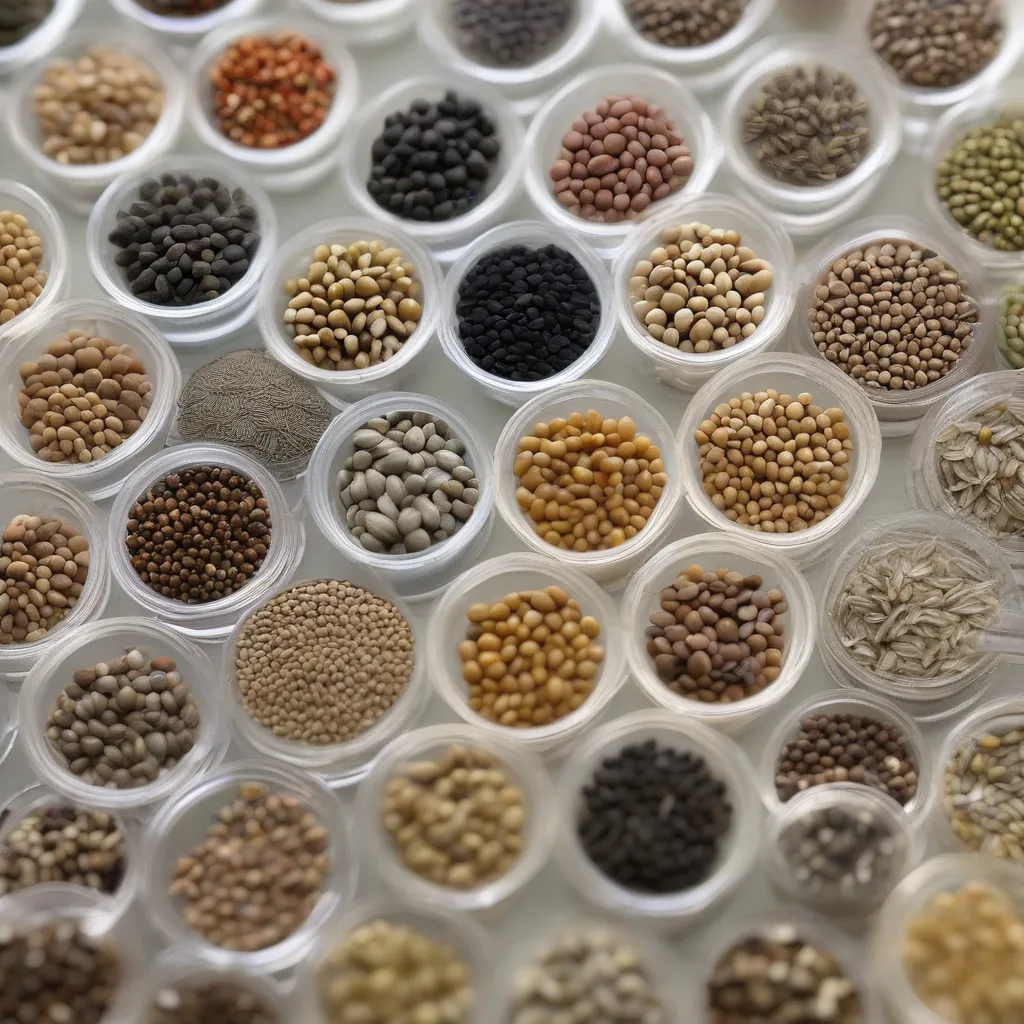
At its core, a seed bank is a repository designed to store seeds for an indefinite period, preserving genetic diversity. Think of them as botanical time capsules, safeguarding the genetic blueprints of countless plant species, from ancient crop varieties to rare wild flowers. Their primary function is ex-situ conservation – “off-site” conservation – meaning they protect species outside their natural habitats.
The concept is deceptively simple: collect seeds, dry them carefully, and then store them at extremely low temperatures (often below freezing) and low humidity. This slows down their metabolic processes, allowing them to remain viable for decades, sometimes even centuries. Some seed banks maintain “active collections” for short to medium-term research and use, while others focus on “base collections” for long-term conservation, ensuring the genetic integrity of species for future reintroduction or study.
Why Do We Need Seed Banks? The Threats to Plant Diversity
Our planet is facing an unprecedented biodiversity crisis, and plants are on the front lines. The reasons are numerous and interconnected:
- Habitat Destruction: Deforestation, urbanization, and agricultural expansion are obliterating natural habitats at an alarming rate.
- Climate Change: Shifting weather patterns, rising temperatures, and extreme events are pushing many species beyond their adaptive capacity.
- Monoculture and Genetic Erosion: Modern agriculture often relies on a handful of high-yielding crop varieties, leading to the loss of thousands of traditional and wild relatives, which possess crucial genetic traits for resilience.
- Invasive Species: Non-native plants can outcompete native flora, disrupting ecosystems.
- Pollution: Contaminants in soil, water, and air harm plant health and viability.
The statistics are stark: according to the IPBES Global Assessment Report, approximately one million animal and plant species are threatened with extinction, many within decades. For plants specifically, estimates suggest that one in five plant species is threatened with extinction. This loss isn’t just an ecological tragedy; it directly impacts human well-being. Plants provide our food, oxygen, medicines, building materials, and form the base of nearly every ecosystem on Earth. Losing them means losing potential cures for diseases, sources of future food, and the very stability of our planet’s life support systems.
The Lifeline: How Seed Banks Work
The process of safeguarding plant life in a seed bank is a meticulous journey:
- Collection: Botanists and scientists embark on expeditions to collect seeds from wild populations, ensuring sustainable harvesting methods that don’t harm the parent plants. They also collect from botanical gardens and agricultural fields.
- Preparation: Once collected, seeds undergo a rigorous cleaning process to remove debris. They are then carefully dried to reduce their moisture content, a crucial step for long-term preservation.
- Viability Testing: Before storage, a small sample of seeds is tested to ensure they are viable (can germinate) and to establish a baseline for future monitoring.
- Storage: The prepared seeds are sealed in airtight, moisture-proof containers (often foil pouches or glass jars) and then placed in ultra-cold storage facilities, typically at temperatures ranging from -18°C to -20°C (0°F to -4°F). This deep freeze significantly extends their lifespan.
- Monitoring and Regeneration: Periodically, stored seeds are re-tested for viability. If their germination rate drops below a certain threshold, a portion of the seeds is removed, grown into mature plants, and new seeds are harvested to replenish the collection, ensuring the genetic line continues.
- Distribution: While primarily for long-term storage, seeds can also be distributed to researchers, breeders, or for reintroduction programs to restore degraded habitats.
Beyond Storage: The Multifaceted Role of Seed Banks
The role of seed banks extends far beyond simply stockpiling seeds:
- Biodiversity Conservation: This is their primary mission – to act as an insurance policy against extinction, preserving the genetic diversity essential for ecosystem resilience.
- Food Security: Seed banks are vital for safeguarding the genetic diversity of our food crops and their wild relatives. As climate change threatens agricultural yields and pests evolve, access to diverse genetic material allows plant breeders to develop new, more resilient varieties that can withstand changing conditions and diseases, ensuring a stable food supply for a growing global population. The Svalbard Global Seed Vault is a prime example, holding duplicates of seed samples from virtually every country.
- Research and Development: Stored seeds provide invaluable resources for scientific research. Scientists can study plant genetics, evolution, disease resistance, and adaptation to climate change, leading to breakthroughs in agriculture, medicine, and environmental science.
- Ecosystem Restoration: When natural disasters strike or habitats are severely degraded, seed banks can supply the necessary seeds for restoration projects, helping to reintroduce native plant species and rebuild ecosystems.
- Education and Awareness: Many seed banks also serve as educational centers, raising public awareness about the importance of plant diversity and conservation efforts.
Key Players and Global Efforts
The scale of seed banking is impressive, with hundreds of facilities worldwide, ranging from small regional initiatives to vast international collaborations:
- The Svalbard Global Seed Vault: Often dubbed the “Doomsday Vault,” this iconic facility, buried deep within a mountain on a remote Norwegian island, acts as a secure backup for the world’s crop diversity. It stores duplicates of seed samples from other gene banks globally, protecting them from regional and global catastrophes. It currently houses over 1.2 million distinct seed samples, representing hundreds of thousands of plant varieties.
- The Millennium Seed Bank Partnership (MSBP): Led by the Royal Botanic Gardens, Kew, in the UK, this is the largest wild plant conservation project in the world. With partners in over 95 countries, the MSBP aims to conserve 25% of the world’s wild plant species by 2020 (a target they largely met) and continue expanding. Their focus is on species most at risk and those of most use to people.
- National Gene Banks: Countries worldwide operate their own national seed banks, focusing on their unique flora and agricultural heritage, such as the National Center for Genetic Resources Preservation (NCGRP) in the USA or the National Bureau of Plant Genetic Resources (NBPGR) in India.
- Crop-Specific Collections: Many international agricultural research centers, like those under the CGIAR consortium, maintain vast collections of specific crop seeds (e.g., rice, wheat, potatoes) for breeding and research.
These efforts are highly collaborative, recognizing that biodiversity loss is a global challenge requiring a united front. Sharing expertise, resources, and genetic material is crucial for effective conservation.
Challenges and The Future
Despite their vital role, seed banks face ongoing challenges: securing consistent funding, adapting to evolving threats from climate change (which might affect seed viability or necessitate more frequent regeneration), and ensuring equitable access to genetic resources for research and development. The long-term nature of seed banking means that commitment and resources must be sustained over generations.
The quiet work of these guardians continues, an unceasing vigil over the botanical heritage of our planet. They are not just preserving seeds; they are preserving options, resilience, and the very foundation of life for generations to come.